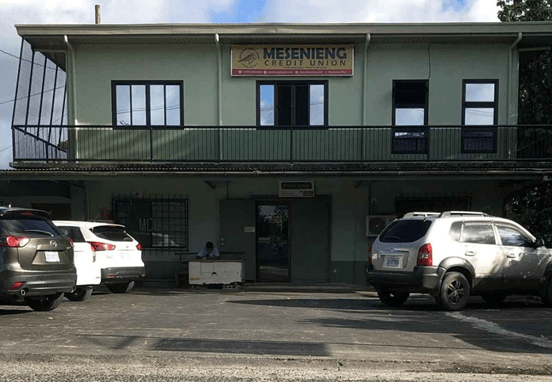
About Mesenieng Credit Union
Serving our community with trust and excellence since 2009.
About Mesenieng Credit Union
Embedded within the complex socioeconomic matrix of Pohnpei, one of the four constituent states of the Federated States of Micronesia, we operate under cooperative principles where members are both the owners and primary beneficiaries.
Member-Owned
Unlike traditional banks, we prioritize our members' needs over profit maximization.
Financial Access
Offering accessible savings and credit facilities tailored to our community.
Community Focus
Contributing to local economic resilience and sustainable development.
Financial Education
Empowering members through comprehensive financial literacy programs.
Our Cooperative Difference
Unlike traditional banks that prioritize profit maximization for shareholders, the Mesenieng Credit Union prioritizes the financial needs of its members by offering accessible savings, credit facilities, and financial education programs, thereby contributing significantly to local economic resilience and sustainable development.
Our Story
We are a chartered non-profit organization established for the citizens of the State of Pohnpei in the Federated States of Micronesia. Since our inception, we offer financial services in consumer loans, shares investments and savings for approved members.
We have grown from a hundred plus members since inception in 1968 to what is now a little over 3,000 members. Our lending program cover a wide range of purposes from back to school, vacation, home repair, travel, funeral expenses, medical and all other emerging activities in demand from our members.
Recently, we have added a loan scheme for Senior Citizens and the Disability at lowered loan interest rates. We also carry a payday loan scheme and emergency loans that guarantees approval in 24 hours. Over the years, we have paid dividends on member shares from a range of 2% to 6% annually.
The credit union is managed by a seven-member board of directors and a management team of 9 Staff. Become a member today. You can reach us at (691) 320-2818/1590; website mesenieng.com

Establishment and Founding Members
The Mesenieng Credit Union emerged from a growing recognition of the need for accessible and affordable financial services tailored to the specific needs of the local population, particularly those underserved by conventional banking institutions.
Our establishment was driven by a coalition of community leaders, educators, and local entrepreneurs who recognized the potential of cooperative finance to address the financial challenges faced by many residents.
Guided by cooperative ideals, the founding members sought to create a financial institution that would prioritize the financial well-being of its members and foster community development.
Chartered in 1969, Mesenieng Credit Union was meticulously designed to fulfill a critical need within the community - to establish a robust framework that would empower members to save securely, access credit at equitable rates, and effectively manage their financial resources.
Credit unions are unique financial institutions that operate based on a set of guiding principles designed to serve their members and communities. Here are the main principles that distinguish credit unions from traditional banks:
Credit unions are owned and controlled by their members, not shareholders. Each member has an equal say in the decision-making process, ensuring that the credit union’s actions reflect the best interests of its members.
Credit unions operate as not-for-profit institutions. Instead of focusing on generating profits for shareholders, they aim to return earnings to members in the form of lower loan rates, higher savings rates, and reduced fees.
Credit unions are committed to the well-being of their communities. They often engage in community development projects, support local charities, and encourage volunteerism among their members and employees.
Every member has one vote, regardless of the size of their deposits. This democratic approach ensures that the credit union operates in a way that benefits all members, promoting equality and fairness.
Credit unions prioritize the financial education of their members. They provide resources, workshops, and personalized guidance to help members make informed financial decisions and achieve their financial goals.
Credit unions collaborate with each other to strengthen the cooperative movement. By working together, they can provide better services and advocate for favorable regulations and policies.
The primary focus of a credit union is to serve its members. Every decision and service is designed to meet the financial needs and goals of the members, ensuring a high level of personalized service and member satisfaction.
Credit unions are owned and controlled by their members, not shareholders. Each member has an equal say in the decision-making process, ensuring that the credit union’s actions reflect the best interests of its members.
Credit unions operate as not-for-profit institutions. Instead of focusing on generating profits for shareholders, they aim to return earnings to members in the form of lower loan rates, higher savings rates, and reduced fees.
Credit unions are committed to the well-being of their communities. They often engage in community development projects, support local charities, and encourage volunteerism among their members and employees.
Every member has one vote, regardless of the size of their deposits. This democratic approach ensures that the credit union operates in a way that benefits all members, promoting equality and fairness.
Credit unions prioritize the financial education of their members. They provide resources, workshops, and personalized guidance to help members make informed financial decisions and achieve their financial goals.
Credit unions collaborate with each other to strengthen the cooperative movement. By working together, they can provide better services and advocate for favorable regulations and policies.
The primary focus of a credit union is to serve its members. Every decision and service is designed to meet the financial needs and goals of the members, ensuring a high level of personalized service and member satisfaction.
Credit unions are owned and controlled by their members, not shareholders. Each member has an equal say in the decision-making process, ensuring that the credit union’s actions reflect the best interests of its members.
Credit unions operate as not-for-profit institutions. Instead of focusing on generating profits for shareholders, they aim to return earnings to members in the form of lower loan rates, higher savings rates, and reduced fees.
Credit unions are committed to the well-being of their communities. They often engage in community development projects, support local charities, and encourage volunteerism among their members and employees.
Every member has one vote, regardless of the size of their deposits. This democratic approach ensures that the credit union operates in a way that benefits all members, promoting equality and fairness.
Credit unions prioritize the financial education of their members. They provide resources, workshops, and personalized guidance to help members make informed financial decisions and achieve their financial goals.
Credit unions collaborate with each other to strengthen the cooperative movement. By working together, they can provide better services and advocate for favorable regulations and policies.
The primary focus of a credit union is to serve its members. Every decision and service is designed to meet the financial needs and goals of the members, ensuring a high level of personalized service and member satisfaction.
Credit unions are owned and controlled by their members, not shareholders. Each member has an equal say in the decision-making process, ensuring that the credit union’s actions reflect the best interests of its members.
Credit unions operate as not-for-profit institutions. Instead of focusing on generating profits for shareholders, they aim to return earnings to members in the form of lower loan rates, higher savings rates, and reduced fees.
Credit unions are committed to the well-being of their communities. They often engage in community development projects, support local charities, and encourage volunteerism among their members and employees.
Every member has one vote, regardless of the size of their deposits. This democratic approach ensures that the credit union operates in a way that benefits all members, promoting equality and fairness.
Credit unions prioritize the financial education of their members. They provide resources, workshops, and personalized guidance to help members make informed financial decisions and achieve their financial goals.
Credit unions collaborate with each other to strengthen the cooperative movement. By working together, they can provide better services and advocate for favorable regulations and policies.
The primary focus of a credit union is to serve its members. Every decision and service is designed to meet the financial needs and goals of the members, ensuring a high level of personalized service and member satisfaction.
Board of Directors

General Manager
Chairman
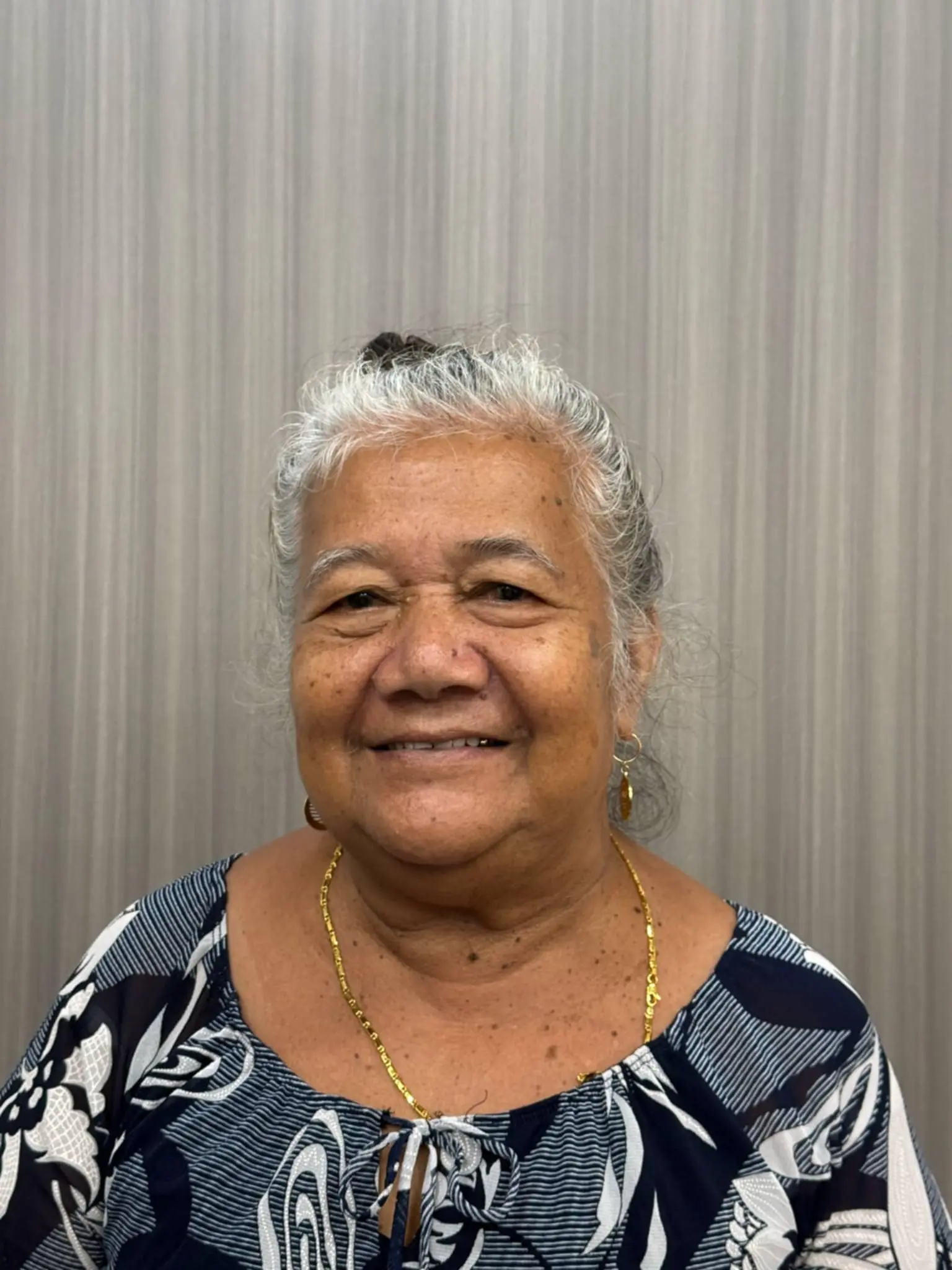
Vice Chairman
Vice Chairman
Director
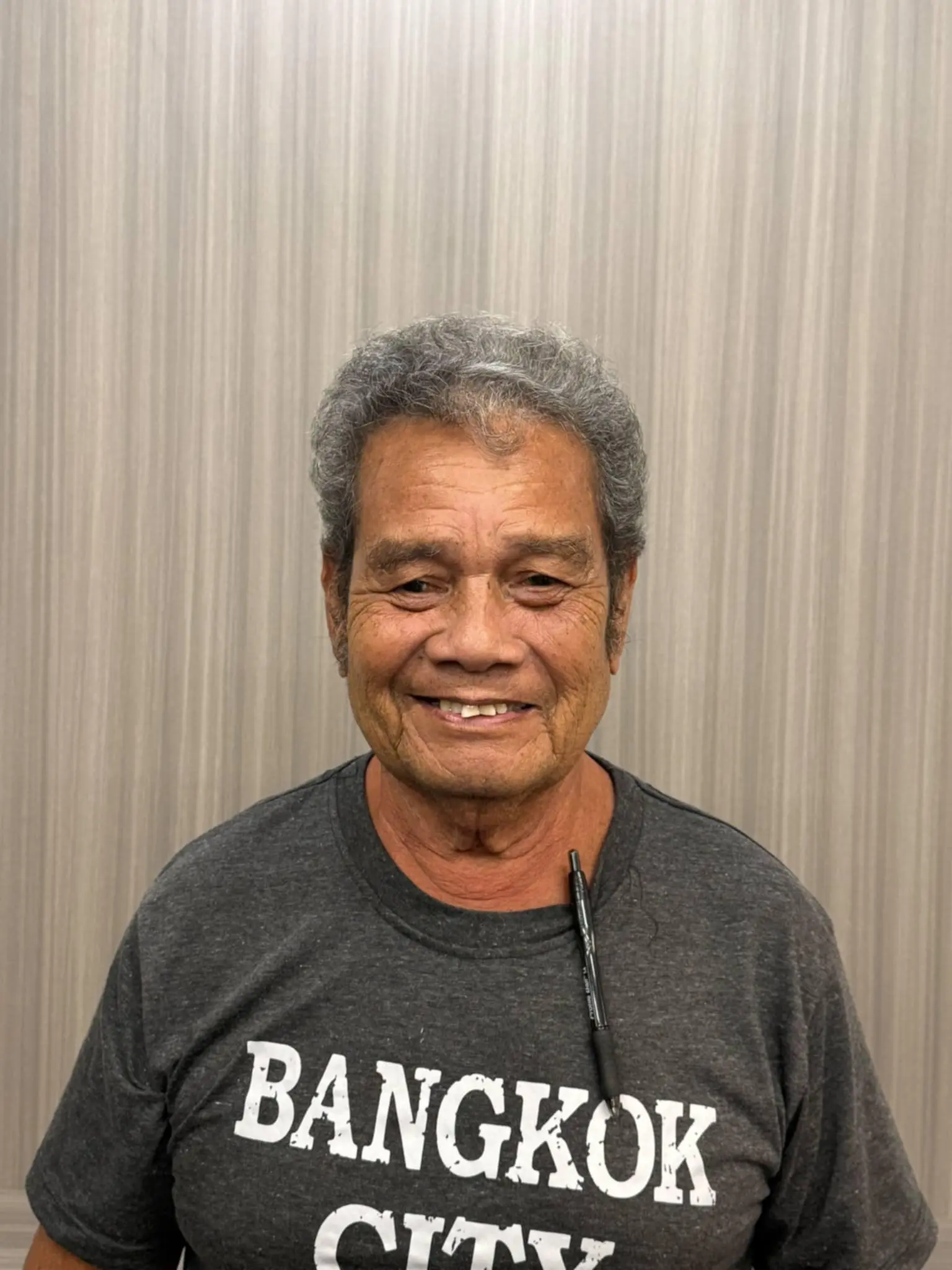
Director
Director
Director
Loan Division
Loan Supervisor
Loan Officer
Loan Officer
Loan Officer
Accounting Division
Accounting Officer
Accounting Officer
Accounting Officer
Ready to Join Our Community?
Become part of a credit union that puts you first. Experience financial services that truly care about your growth.
Team Memories
Click on any photo to relive our favorite moments

Sunset Retreat
May 2023
Code Marathon
November 2023